
The most relatable story characters for children aged 3–8 are those who mirror their own experiences, fears, and small daily victories. Research identifies six primary character categories that consistently engage young readers: human children, animals, magical creatures, anthropomorphic objects, mythical characters, and superheroes. Each type works because it meets children at their developmental stage, not above or below it. Understanding these types of story characters children relate to helps parents and educators choose books that build genuine emotional connection, not just pass the time.
1. What are the six types of story characters children relate to?
Children aged 3–8 connect most with characters who feel familiar, even when those characters are fantastical. The six primary types each serve a distinct emotional and developmental purpose.
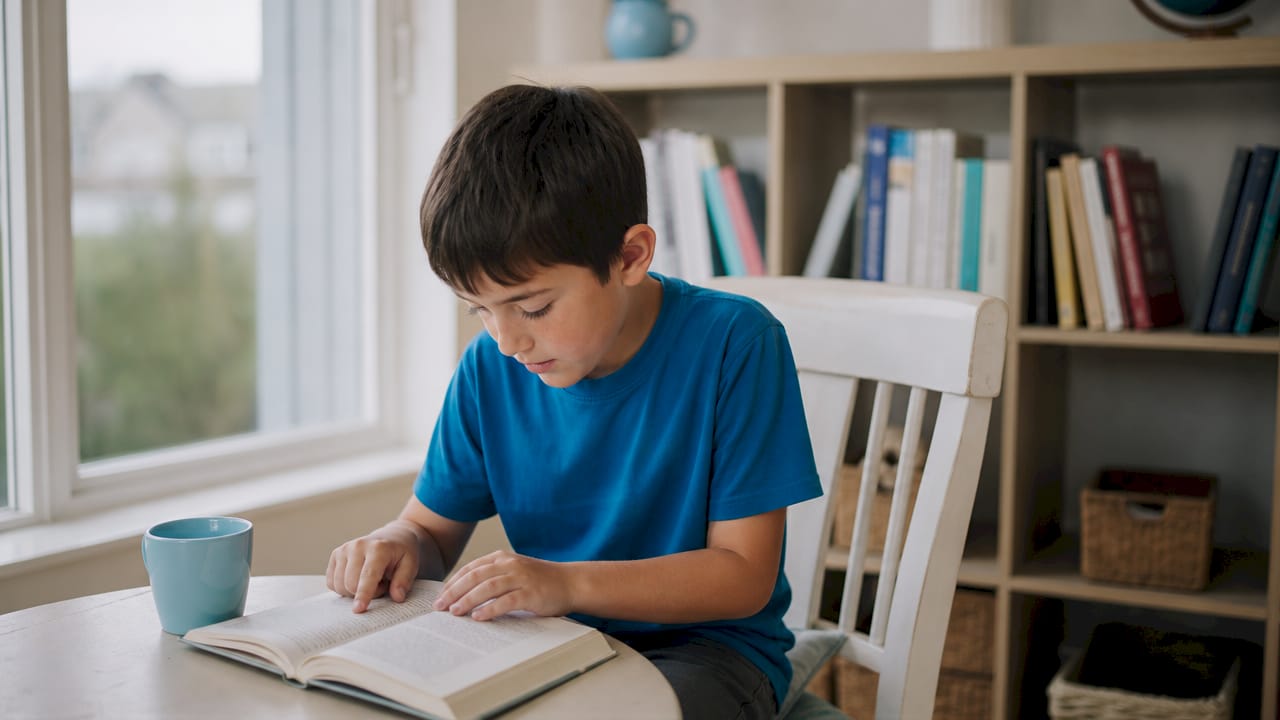
Human child characters are the most direct mirror. A child reading about a peer who is nervous about the first day of school sees their own anxiety reflected back. Characters should match or slightly exceed the reader’s age in novels, though picture books allow more flexibility. This age alignment is what makes the connection feel real rather than instructional.
Animal characters give children emotional distance. A rabbit who is afraid of the dark is easier to talk about than admitting you are afraid of the dark. That small separation lets children process big feelings without feeling exposed. Animals are among the most popular story characters for kids precisely because they carry human emotions without the social pressure of human judgment.
Magical creatures blend wonder with recognizable human traits. A small dragon who cannot breathe fire yet, or a fairy who keeps losing her wand, reflects the child’s own experience of not being quite capable enough yet. The magic is the hook. The relatable struggle is what keeps children turning pages.
Anthropomorphic objects, such as a talking teapot or a sentient toy, offer delight through unexpected perspective. Children aged 3–5 are especially drawn to this type because it matches their natural tendency to assign feelings to objects around them. The emotional logic is already there. The story just confirms it.
Mythical characters carry moral weight. Giants, dragons, and trickster figures have been used across cultures to teach ethical reasoning. Children aged 6–8 begin asking “what is fair?” and mythical characters give those questions a safe arena to play out.
Superheroes model courage and perseverance without requiring perfection. The most effective superhero characters for young children are not invincible. They fail, they doubt, and they try again. That pattern of optimistic perseverance is what makes them genuinely useful for children learning to tolerate setbacks.
Here is a quick summary of what each type offers:
- Human child characters: Direct emotional mirror, age-matched challenges, peer-level perspective
- Animal characters: Emotional distance, safe processing of fear and sadness, universal appeal
- Magical creatures: Wonder plus relatable struggle, imagination-building, age-appropriate aspiration
- Anthropomorphic objects: Playful perspective, natural fit for ages 3–5, delight-driven engagement
- Mythical characters: Ethical reasoning, cultural richness, moral lesson delivery
- Superheroes: Courage modeling, perseverance, failure-and-recovery arcs
2. What character traits make story characters most relatable to young children?
The character type matters, but the traits inside that character determine whether a child truly connects. Characters who embody kindness, curiosity, perseverance, and emotional regulation produce the deepest engagement in children aged 6–11. These are not abstract virtues. They are the exact skills children are actively practicing every day.
Optimistic perseverance is the single most powerful trait. A character who keeps trying despite failure teaches children that effort matters more than outcome. This is the core lesson behind children’s favorite story characters like SpongeBob SquarePants, who fails constantly but never stops showing up. The trait resonates because children live this experience daily.
Dynamic characters who grow throughout a story help children understand that people change. Static characters who are always brave or always kind feel flat. A character who starts shy and learns to speak up mirrors the real developmental arc children are living. That growth is what makes a story feel true rather than instructional.
Characters displaying age-appropriate social challenges, such as learning to make friends or managing shyness, teach social intelligence without a lecture. Children watch the character navigate the situation and absorb the lesson through story rather than instruction. That is far more effective than being told what to do.
Pro Tip: When selecting books for a child, look for characters who have at least one visible flaw and one visible strength. That balance is what makes a character feel real. A character who is only brave teaches nothing. A character who is brave but also gets scared sometimes teaches everything.
3. How children’s perceptions shape their connection with story characters
Children aged 3–8 do not read analytically. They read emotionally. They ask one question about every character: “Is this me?” The answer does not have to be literal. It has to be emotional.
Children build the deepest connections with emotionally honest characters who display understandable fears and imperfections. A perfect character who always knows the right answer is not relatable. It is intimidating. Flawed characters, by contrast, give children permission to be imperfect themselves.
Visual and behavioral storytelling beats long descriptions for preschool to early elementary children. A character’s slumped shoulders, wide eyes, or trembling lip communicates more than three paragraphs of inner monologue. Children read faces before they read words. Illustrators and authors who understand this build characters children remember.
Characters functioning as surrogates for a child’s perspective strengthen both connection and learning. When a story focuses on a character’s internal emotional journey, such as fear of the dark or the struggle to share, children follow along because they recognize the terrain. The plot outcome matters less than whether the emotional experience felt true.
Using a character’s flaw as their eventual superpower is one of the most effective techniques in children’s storytelling. A trait that gets a character teased in chapter one becomes the tool that solves the problem in chapter three. This structure teaches self-acceptance and resilience in a way that feels earned rather than preached.
Key signals that a character will resonate with young children:
- The character openly shows emotions like jealousy, fear, or frustration
- The character faces a challenge the child has personally experienced
- The character’s body language and facial expressions carry the emotional story
- The character grows or changes by the end of the story
- The character’s flaw becomes useful rather than just being fixed
4. Comparing character types by engagement and suitability
Different character types work better in different situations. The table below compares the six primary types across four dimensions relevant to parents and educators choosing books for children aged 3–8.
| Character type | Emotional honesty | Complexity | Best age range | Best use case |
|---|---|---|---|---|
| Human child | Very high | Moderate | 4–8 | Social skills, school transitions |
| Animal | High | Low to moderate | 3–7 | Processing fear, sadness, big feelings |
| Magical creature | Moderate | Low | 3–6 | Imagination, aspiration, wonder |
| Anthropomorphic object | Moderate | Low | 3–5 | Delight, playful learning, empathy |
| Mythical character | Moderate | High | 5–8 | Ethics, fairness, cultural values |
| Superhero | High | Moderate | 4–8 | Courage, perseverance, failure recovery |
Animal and human child characters deliver the highest emotional honesty for the widest age range. They are the safest choice when you are not sure what a child needs. Mythical characters require slightly more cognitive development, making them a better fit for children aged 5 and older who are beginning to reason about fairness and consequences.
Pro Tip: If a child is going through a specific transition, such as starting school or adjusting to a new sibling, choose a human child character facing the same situation. The direct mirror is more powerful than a metaphorical one when the emotional stakes are high.
There is also a growing preference for characters whose strength comes from listening and including others rather than from dominance or winning. This reflects what children actually need to practice in social settings. Books that model collaborative problem-solving give children a script they can use in real life.
Key takeaways
The most effective story characters for children aged 3–8 are emotionally honest, developmentally matched, and dynamic enough to grow within the story.
| Point | Details |
|---|---|
| Six character types drive engagement | Human children, animals, magical creatures, objects, mythical figures, and superheroes each serve a distinct developmental purpose. |
| Dynamic characters outperform static ones | Characters who grow and change throughout a story help children understand real-life emotional development. |
| Flaws build connection | Emotionally honest characters with visible imperfections resonate more deeply than perfect heroes. |
| Visual storytelling matters | Facial expressions and body language communicate character emotions more effectively than written description for ages 3–8. |
| Match character type to child’s need | Use human child characters for transitions, animal characters for emotional processing, and superhero characters for building perseverance. |
What I have learned about characters that actually stick with kids
I have spent years reading children’s literature and watching which characters children ask to revisit. The pattern is always the same. Children do not ask for the cleverest character or the most powerful one. They ask for the one who felt like them.
The conventional wisdom says children need aspirational characters, figures who are braver, smarter, or more capable than the child reader. That is half right. Children do need to see what is possible. But they need to see themselves first. A character who is already perfect gives a child nothing to hold onto. A character who is scared but tries anyway gives a child a roadmap.
The most memorable characters I have encountered in children’s literature are not the ones with the most impressive abilities. They are the ones with the most honest feelings. The rabbit who admits being afraid. The small dragon who cannot get the fire right. The ordinary chicken who turns her ordinariness into her greatest strength. Those characters stay with children because they validate something the child already knows about themselves.
My advice to parents and educators is simple. Before you ask whether a book is educational, ask whether the main character feels real. If the answer is yes, the education will follow naturally. Children learn from characters they trust. They trust characters who feel true.
— Standley
How Dreamseedbooks puts your child at the center of the story
The research is clear: children connect most with characters who look like them, think like them, and face the same challenges they face. Dreamseedbooks takes that insight and applies it directly.
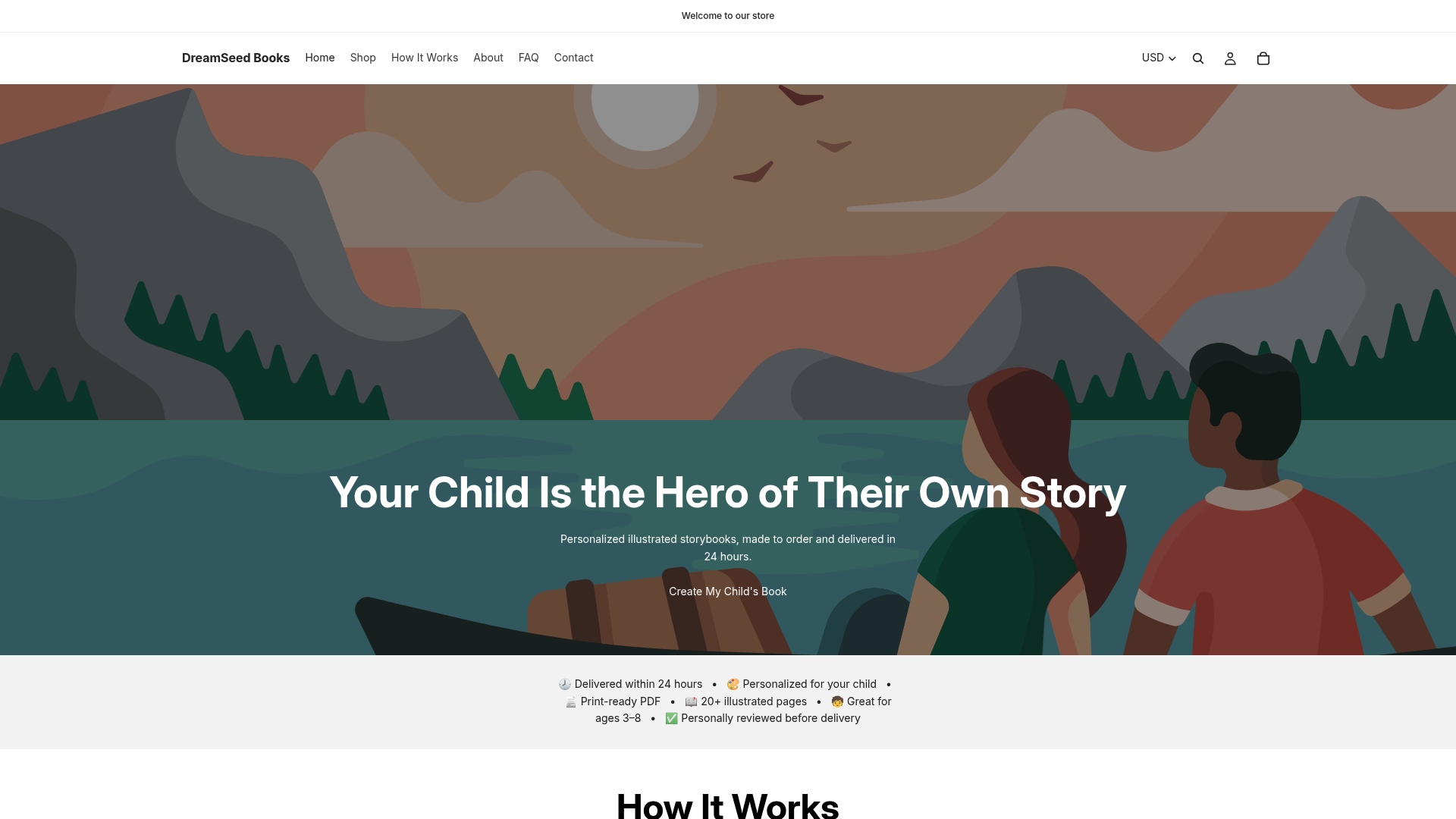
Each personalized storybook from Dreamseedbooks places your child as the hero of a custom 20+ page illustrated story. The child’s name, appearance, and favorite themes are woven into the narrative, creating the kind of direct emotional mirror that developmental research identifies as the most powerful driver of reading engagement. Every book is reviewed by a real person before delivery, and most families receive their digital book within 24 hours. For parents and educators looking to build a genuine love of reading, a personalized adventure storybook is one of the most direct ways to make that happen.
FAQ
What types of story characters do children aged 3–8 relate to most?
Children aged 3–8 relate most strongly to six character types: human children, animals, magical creatures, anthropomorphic objects, mythical characters, and superheroes. Each type works by reflecting a different aspect of the child’s emotional or developmental experience.
What makes a character relatable to young children?
A relatable character displays honest emotions, faces age-appropriate challenges, and grows or changes throughout the story. Flawed, emotionally honest characters leave a stronger impression than perfect ones because children see their own experience reflected in the character’s struggles.
Why do children connect so strongly with animal characters?
Animal characters give children emotional distance. A child can talk about a rabbit’s fear more easily than admitting their own. That separation makes it safer to process difficult feelings, which is why animals remain among the most popular story characters for kids across every age group.
How do character flaws help children learn?
A character’s flaw can become their superpower by the end of a story, teaching children that their own imperfections are not liabilities. This structure builds self-acceptance and resilience in a way that feels natural rather than instructional.
Should parents choose different character types for different situations?
Yes. Human child characters work best for specific transitions like starting school. Animal characters are most effective for emotional processing. Superhero characters are ideal when a child needs to build perseverance and confidence after setbacks.